
THE ROLE OF HUMAN EMOTION IN INVESTMENT DECISIONS: A NEUROFINANCE PERSPECTIVE
Keywords:
Neurofinance, Investment decisions, Emotions, Fear, Greed, Overconfidence, Emotional intelligence, StressAbstract
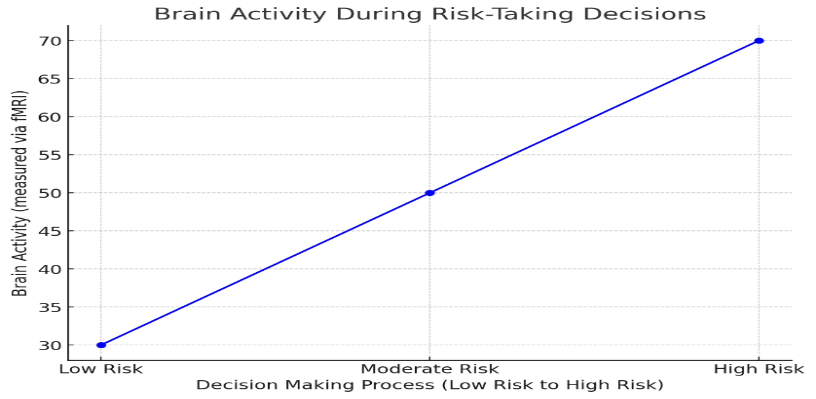
For decades, the traditional finance model portrayed investors as rational, emotionless beings making purely logical decisions based on available information. However, mounting evidence from psychology and neuroscience suggests that emotions play a significant and often irrational role in investment behavior. This article explores the intersection of neurofinance and investment decision-making, examining how emotions influence our financial choices through the lens of brain activity, neurotransmitters, and specific emotional states. We delve into the neural mechanisms of fear, greed, and overconfidence, analyzing their impact on risk perception, asset allocation, and trading patterns. We further discuss the moderating role of emotional intelligence and stress in investment outcomes. Finally, we consider the implications for individual investors, financial advisors, and policymakers, highlighting strategies to harness the positive aspects of emotions while mitigating their detrimental effects.
Downloads
Downloads
Published
Issue
Section
License
Copyright (c) 2018 Dr. Zara Khan (Author)

This work is licensed under a Creative Commons Attribution 4.0 International License.
All articles in the Journal of Applied Finance and Economic Policy are published under the Creative Commons Attribution 4.0 (CC BY 4.0) license. Users may share, distribute, and adapt the content for any purpose, including commercial use, provided proper credit is given to the authors and the journal.